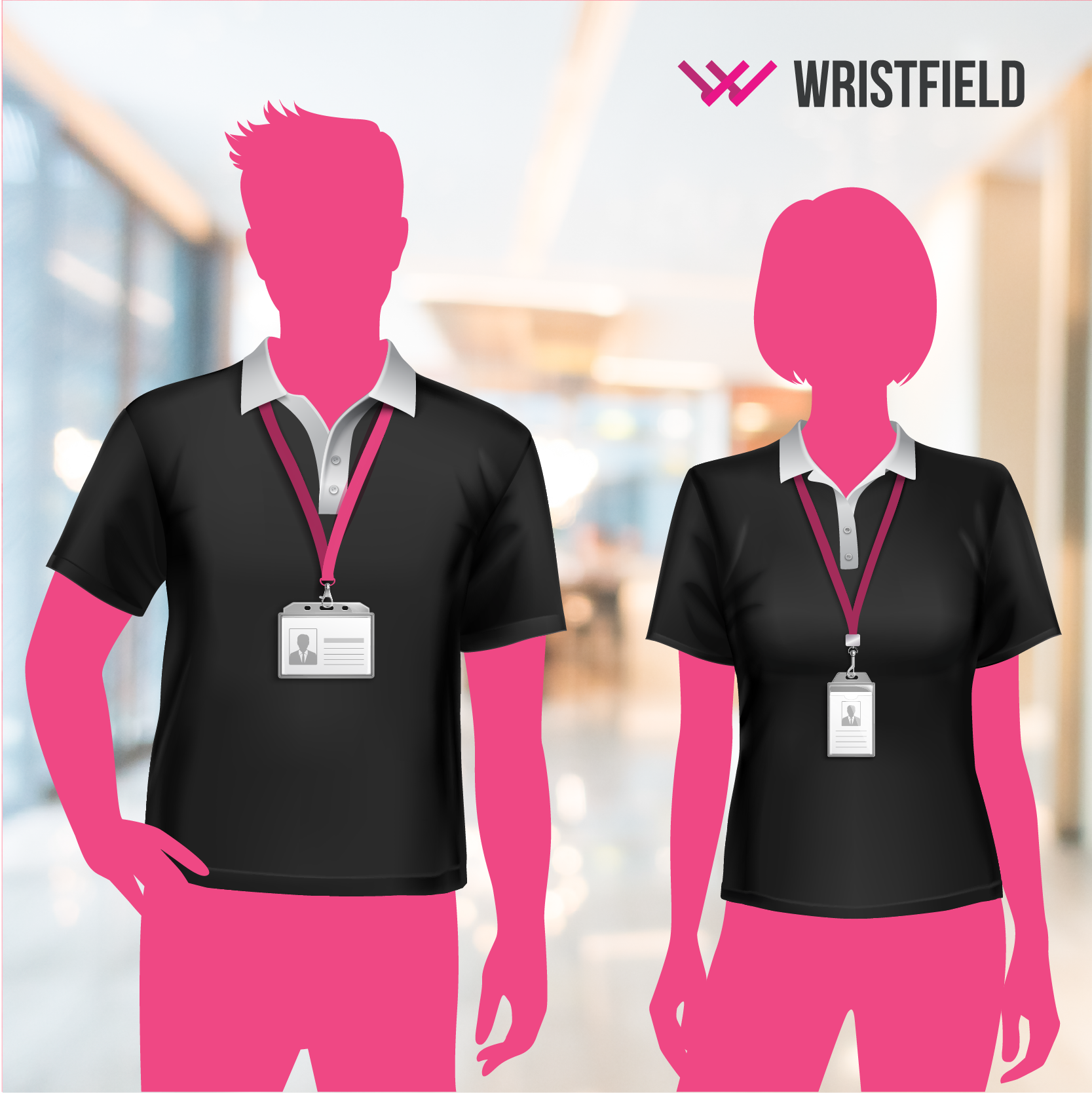
Lanyards are more than a ways to hang an ID card. Used thoughtfully, they act as daily wearable advertising, an on-site security tool and a touchpoint for customer engagement. This guide explains how to design, specify and deploy lanyards so they reinforce your brand, support operations and deliver measurable marketing value.
How to Use Lanyards Effectively as a Marketing Tool
Lanyards are inexpensive, highly visible and versatile. Whether you need a uniform look for staff, a giveaway at an event or a durable solution for everyday access cards, a carefully chosen lanyard communicates professionalism and keeps your brand in front of people. This article covers practical design advice, material choices, security and technology integrations, distribution strategies and simple cost examples to help you make decisions that support both marketing and operations.
Why lanyards are marketing assets, not just ID holders
A lanyard is wearable media. Every time a staff member, partner or customer wears your lanyard in public, your logo and colours create impressions. Compared with printed flyers or some online ads, lanyards offer prolonged, repeat visibility and the implicit endorsement of the wearer. Key benefits:
- Continuous presence - staff wear lanyards during their shifts, so brand visibility is sustained.
- Functional value - a useful item lowers the risk it will be discarded.
- Conversation starter - a well-designed lanyard can prompt questions at events or stores.
Design and branding - what matters visually
Good design makes a lanyard readable and recognisable at a glance. Consider these practical rules:
- Contrast and legibility: Use strong contrast between logo and background. Small logos or fine type may disappear when the lanyard hangs or twists.
- Colour consistency: Match lanyard colours to your brand palette for instant recognition. Consider two-tone or edge-colour options for extra visual impact.
- Message economy: Keep text minimal - a logo and short strapline usually work best.
- Print placement: Decide whether you want a repeated pattern, a single central logo or alternating elements. Repetition works well for visibility from any angle.
Material choices and perceived value
Material affects cost, feel and perceived quality. Common options:
- Polyester: The most economical. Works well with screen printing and dye-sublimation. Durable and good colour reproduction for logos.
- Dye-sublimated polyester: Ideal for full-colour designs and photographic artwork across the whole strap.
- Woven: Higher perceived value. Logos are woven into the strap for a premium finish but detail is limited compared with print.
- Organic and recycled materials: Recycled PET or organic cotton communicate sustainability and can improve your brand image with eco-conscious audiences.
- Silicone or tubular lanyards: Useful for sports, rugged environments or when you need a different tactile feel.
Choose a material that fits how the lanyard will be used. For heavy daily use, woven or dye-sublimated polyester performs better than cheap flat print straps.
Hardware and safety - small details with big consequences
The metal or plastic fittings change both function and safety. Consider:
- Clips: Swivel clips or bulldog clips attach to card holders or passes. Swivels reduce twisting and keep the badge readable.
- Breakaway clasps: Required in many workplaces. A breakaway releases under strain and reduces choking risk.
- Detachable buckles: Useful for hands-free removal when keycards are used for access frequently.
Specify safety features according to your environment and any industry requirements. A lanyard that causes injury or damage undermines the marketing benefit.
Integration with access, ID and technology
Lanyards often sit alongside other physical assets. Planning how they integrate will improve operational efficiency and protect your brand.
Common integrations:
- Card holders: Transparent holders protect printed cards and promote a neat appearance. For example, a vinyl card holder 101 x 62 mm is available from UK suppliers at approximately £0.24 including VAT per item. Using holders helps cards last longer and keeps lanyards looking professional.
- RFID and NFC chips: Embed chips in cards or use lanyard-attached fobs to enable contactless doors or cashless payments. This adds clear functional value and increases the chance the lanyard will be kept.
- Detachable badges and quick-release systems: Allow users to scan or use access readers without removing the whole lanyard.
If you are considering RFID or NFC, involve your access control supplier early. Some systems require specific card formats or antenna positions for reliable reads.
Security, authenticity and UV marking
Lanyards can be part of your anti-counterfeit and access control measures. Simple visual cues such as unique colours or printed serial numbers help, and technical measures provide stronger protection.
One effective option is UV varnish - a varnish applied during production that is only visible under UV light. This is not UV printing. UV varnish creates covert marks that are quick to check at an entry point with a handheld UV torch. For practical guidance on using UV varnish in access control, see our dedicated guide UV varnish for wristbands: a practical guide for entry control, VIP access and cost-risk modelling.
Other anti-counterfeit measures include serialisation, holographic labels and secure RFID. For event contexts where counterfeit wristbands are a concern, consult best practice in prevention and operational checks - our article Preventing Wristband Counterfeiting sets out practical approaches.
How to choose lanyards for different use cases
Match the lanyard type to the use case:
- Staff daily wear: Prioritise durability, comfort and safety features. Consider woven or heavy duty polyester with breakaways.
- Events and trade shows: Dye-sublimated lanyards show vibrant colours and are cost-effective at scale. Add detachable badge holders for quick registration swaps.
- VIP or premium passes: Consider woven or fabric lanyards with metal fittings and detachable buckles to create a premium feel.
- Promotional giveaways: Lightweight printed polyester lanyards work well. Pair with a useful accessory to increase retention.
Distribution strategies that maximise marketing impact
How you distribute lanyards is as important as how they look. Tactics to increase reach and value:
- Staff-first approach: Issue branded lanyards to your employees first to build consistent presence across touchpoints.
- Event exclusives: Limited-edition colours or designs for shows create collectability and social sharing.
- Cross-promotion: Include lanyards in welcome packs for partners or customers, or as part of loyalty reward tiers.
- Trackable campaigns: Add QR codes or short URLs to badges or hang-tags so you can measure engagement and redemption.
Measuring return on investment
To judge whether a lanyard campaign is working, define measurable objectives before you order. Examples:
- Impressions: Estimate how many times a lanyard will be seen during an event or in-store period.
- Clicks and scans: Use QR codes or short URLs on printed hang-tags. Count visits and conversion from these links.
- Retention: For staff, measure how many lanyards remain in use after a given time, which shows perceived value.
- Lead conversion: Track how many recipients of promotional lanyards become customers or visit a campaign landing page.
Simple metrics make it easier to justify spend and optimise future orders.
Cost examples and sensible budgeting
Lanyard unit costs vary by material, print method and extras. While specific lanyard prices are not listed here, you can budget for accessories where public pricing exists. For example, a small clear vinyl card holder in common sizes can cost around £0.24 including VAT per item. That means supplying a matched card holder to 500 staff would add approximately £120 to your budget for holders alone. If you add printed or woven lanyards, tie in unit costs from supplier quotes and remember to include artwork setup and any lead-time premiums.
If you need faster turnaround, express production is sometimes worth paying for. For wristbands, there are clear thresholds where express makes financial sense; the same logic applies to lanyards. See our piece When Is Express Wristband Production Worth It? for the decision framework and apply those principles to your lanyard run.
Sustainability and end-of-life considerations
Sustainable choices matter to customers and staff. Options include recycled PET straps, organic fibres and minimising plastic hardware. Communicate your choices on packaging and in campaign copy to amplify the marketing benefit. Also plan for replacements or recycling streams to avoid lanyards ending up in landfill prematurely.
Operational tips for procurement and roll-out
Practical lessons from organisers and facilities teams:
- Order samples: Request material and hardware samples before committing to large runs.
- Proof early: Approve physical proofs for colour-critical designs and print placement.
- Batch numbering: For events or security contexts, add batch numbers or serials to help manage distribution and audits. For further reading on serialisation and numbering options, see How Numbered Wristbands Work at Events.
- Storage: Keep lanyards flat and away from direct sunlight to preserve colours and avoid deformation.
Campaign ideas that use lanyards creatively
Turn lanyards into small campaigns rather than one-off items:
- Collectable colours: Create a seasonal or event-driven range that encourages repeat visits to collect variants.
- Influencer seeding: Give premium lanyards to partners and influencers who will wear them at relevant venues.
- Limited VIP passes: Use premium lanyards with detachable features for VIP guests and partners to emphasise exclusivity. Our article on managing VIP zones explains how physical credentials support tiered access Managing VIP Zones at Events.
When lanyards are not the right choice
Lanyards are not universal. Avoid them when there is a clear safety risk, when uniforms or clothing pockets are the norm, or when a more discreet credential is required. In some industrial environments, clip-on card holders or chest-badges are the safer option.
Final checklist before you order
Use this quick checklist to confirm you have covered the essentials:
- Purpose and audience defined - staff, event, VIP or promo?
- Material and print method chosen for durability and look.
- Hardware and safety features specified.
- Integration needs planned - card holders, RFID, detachable badges.
- Budget includes accessories and VAT - example: vinyl card holders at about £0.24 each inc VAT where applicable.
- Provisions for measurement - QR code, trackable URL or campaign code.
Well-designed lanyards are a small investment that pays back in visibility, functionality and brand consistency. If you are planning a staff rollout, event or promotional campaign and would like tailored recommendations, consider the access-control and anti-counterfeit options in our related articles for practical extension reads: Event security risk tiers, UV varnish for wristbands and Preventing counterfeiting.
If you want help with design decisions, material samples or a project quote, contact your supplier early in the process. Simple choices now save time and cost later - and ensure your lanyards work as both a practical tool and a genuine marketing asset.
Advanced production considerations
Once you have settled the basic brief, there are technical choices that influence look, longevity and unit cost. Woven lanyards deliver a premium tactile finish and crisp logos for short text or monograms. Printed lanyards suit photographic artwork and continuous colour backgrounds. Dye-sublimation is the best option when you need full-colour prints that will not fade or crack, although initial artwork set-up costs can be higher.
Hardware choices change how a lanyard feels and how it is used. Metal lobster clips and swivel hooks add perceived value but may increase weight. Plastic safety-breakaway closures reduce risk where a lanyard could catch on machinery or moving parts; check supplier specifications for the release force and test samples in situ. If you are combining RFID or NFC with printed credentials, allow extra thickness for card holders and confirm read-range with the final assembly.
Small production details matter. Match thread colours on woven edges for a coherent finish. When specifying Pantone colours, remember that woven dye may appear slightly darker than a printed reference. Request a physical colour strike or sample under the lighting conditions where the lanyard will be used, especially for retail settings where brand colours must remain exact.
Supplier brief template
Use this template when you contact potential manufacturers. Fill in as many details as possible to get faster, more accurate quotations.
- Project name
- Example: Autumn 2026 Staff Lanyards
- Quantity and sizes
- Example: 500 units, standard 20 mm width, 90 cm length (adjustable)
- Material
- Example: Recycled PET woven; alternative: polyester printed
- Print method and artwork
- Example: Dye-sublimation full colour front, single-colour reverse. Artwork supplied as vector PDF and PNG for photographic elements
- Hardware and features
- Example: Metal swivel clip, plastic safety breakaway, detachable badge-holder with push-release
- Integration
- Example: Passive NFC tag embedded at 25 mm from clip. Test reading distance required: 2-4 cm through vinyl holder
- Packaging and labelling
- Example: Individual polybags with batch labels, palletised by 100. Include instruction hang-tag for safety and recycling
- Lead time and delivery
- Example: Production within 14 working days from proof approval. Delivered to warehouse 3 working days thereafter
- Quality and testing
- Example: Wear test of 100 cycles, UV colourfastness test, tensile check on clasp and breakaway
- Additional services
- Example: Storage for 30 days, kitting and drop-ship options, inventory reports
Practical campaign timeline and roll-out checklist
A straightforward schedule helps avoid costly last-minute changes. The example below assumes a standard production run and normal shipping. Adjust for express production or international freight.
- Weeks 1 to 2: Finalise brief and request supplier samples. Approve hardware options and material samples.
- Week 3: Submit final artwork and receive digital proof. Confirm Pantone references and placement for any integrated tech.
- Week 4: Approve physical proof. Supplier begins production after receiving full payment or deposit as per contract.
- Weeks 5 to 6: Production completes. Supplier performs QA tests and prepares packaging.
- Week 7: Delivery to your warehouse. Carry out incoming inspection, sample wear tests and start internal distribution to teams or fulfilment partners.
Reserve extra time for public holidays, customs clearance for international orders and any third-party kitting work you have scheduled.
Simple ROI worked example
Below is a worked example to help you evaluate a promotional run. Numbers are illustrative; replace them with real quotes and campaign performance figures.
Costs
- 500 printed lanyards at an estimated unit price of 1.20 each = 600.00
- Transparent card holders 0.24 each inc VAT = 120.00
- Artwork and set-up = 60.00
- Distribution and handling = 150.00
- Total campaign cost = 930.00
Performance assumptions
- Each lanyard is seen on average 50 times during the campaign period = 25,000 impressions
- QR code scan rate on hang-tags = 8 percent, giving 40 scans
- Landing page conversion rate = 25 percent, giving 10 conversions
- Average order value from those conversions = 50.00, giving revenue of 500.00
Simple metrics
- Cost per impression = 930.00 / 25,000 = 0.0372 (approx 3.7 pence per 100 impressions)
- Cost per scan = 930.00 / 40 = 23.25
- Cost per conversion = 930.00 / 10 = 93.00
This example highlights why you should pair physical assets with strong digital calls to action, careful targeting and realistic conversion expectations. Adjust the numbers to test different quantities, unit prices and campaign lifetimes to see where the unit economics become favourable.
Quality testing and accessibility considerations
Before a large distribution, run a small pilot batch to validate durability and functionality. Carry out wash and abrasion tests, pull-tests on clips and breakaways and field trials with staff or volunteers in the environment where the lanyards will be used. Note any points of discomfort or snagging.
Accessibility and inclusion should influence design. Offer short-length or clip-on alternatives for personnel who cannot wear items around the neck. Use clear, large type on printed credentials, and where appropriate include multilingual guidance on care and recycling. For critical access credentials, avoid obscuring barcodes or RFID labels with decorative elements.
Post-campaign handling and sustainability
Plan for what happens to lanyards once a campaign ends. Options include:
- Reusing items in future events if the branding and condition remain appropriate
- Collecting used lanyards for donation to training programmes or community groups
- Working with suppliers who accept returns for recycling or offer take-back schemes
Communicate your end-of-life plan in campaign copy and on packaging to show stakeholders you considered environmental impact. Small choices such as using water-based inks and recycled filaments can be part of a larger corporate responsibility message.
Activation copy examples for distribution and promotion
Short copy snippets make it easier for teams to stay consistent across channels.
Email subject line: Collect your event lanyard on arrival - limited edition
Register page hero line: Wear it with pride - our official staff lanyard keeps your credentials visible and secure
Hang-tag line: Scan to unlock a 10 percent welcome offer and event guide
Social post caption: New season lanyards just landed. Designed for comfort, built to last. Ask at our counter or tap the link to claim yours.
Next steps
If you would like a supplier brief tailored to your brand or a realistic cost estimate for quantities and features, prepare the project details and request samples from two or three suppliers. Compare physical proofs rather than relying solely on digital mock-ups. A short pilot order of 50 to 100 units will reveal practical issues and let you refine the final specification with minimal risk.