

Customer Service: Mo. - Fr: 8:00 - 16:30

Free delivery to the UK on orders above net 80 GBP!

Products

Information

Top products

Blog

Complete Wristband Decision Matrix for Events: choosing type, security, cost and marketing
12
Aug
Selecting the right wristband for an event is rarely a single-dimension choice. This guide gives a practical, weighted decision matrix that helps you pick the most appropriate wristband by scoring type, security, event length, budget, marketing value and production lead time. It is written for UK event organisers, production managers and procurement teams who need a defensible, operational route to the correct wristband solution.
Event entry system case studies: decisions, risks and cost logic by event type
09
Aug
Five concise but detailed case studies explain how to make operational decisions about entry systems for different event types. Each study lays out the crucial decision points, the main risks and a conditional cost logic so organisers can see where to save and where to invest. The goal is to give UK event planners practical guidance on wristband selection, security measures, staffing and reserve planning.
The Event Organiser
06
Aug
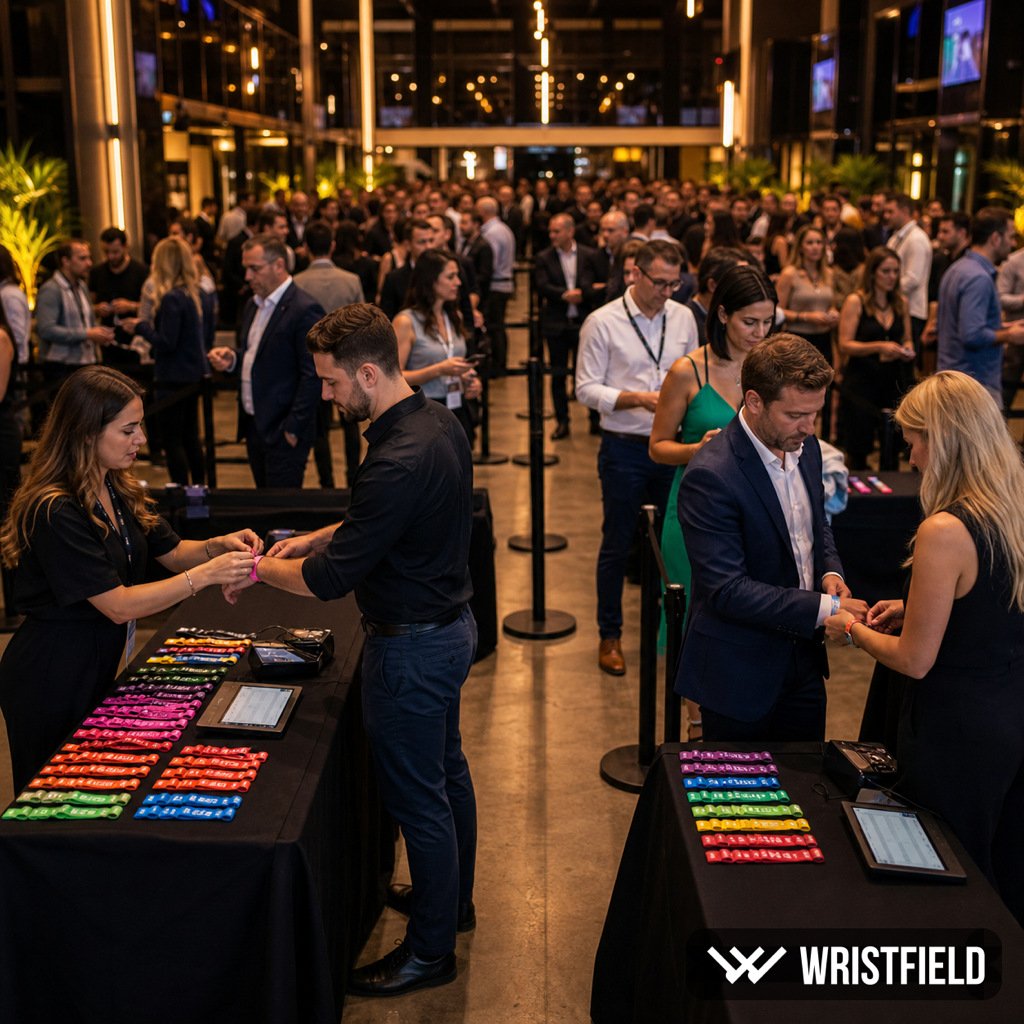
A thorough, practical manual for event organisers who need reliable, scalable entry systems. This guide explains how to choose wristband types, build layered access control, model capacity and costs, deploy UV varnish and serialisation where needed, and avoid the common operational mistakes that slow events down.
Event Wristbands FAQ: Types, Sizes, Printing, Numbering, UV Varnish, Quantities and Lead Times
03
Aug
This guide answers the practical questions event organisers ask most about wristbands. You will find clear, operational advice on material choice, sizes and fastenings, printing and anti-counterfeit measures, UV varnish checks, ordering quantities, lead times and staffing implications. Use it to decide what type of wristband suits your event and to avoid common pitfalls at the gate.
Express wristband orders: real cases, compromises and how to prepare artwork
31
Jul
Rush wristband production is often not a luxury but a lifesaver. Based on real event scenarios, this article explains when express production turned a crisis into a working solution, what compromises organisers typically accept, and exactly how to prepare artwork so a rush job runs smoothly.
How to choose a production lead time for wristbands: risk, express options, artwork approval and shipping
28
Jul
Picking the right production lead time for your wristbands is both a logistics and a commercial decision. The wrong choice creates cost, stress and event risk. This guide gives a practical, UK-focused method to plan lead time, including artwork approval, express options, UV varnish considerations, shipping and contingency.
Wristband systems compared: Tyvek, vinyl, fabric and electronic options for events
25
Jul
Choosing the right wristband system has operational, financial and brand consequences. This guide compares the common materials and systems used at events, sets out decision criteria by event type, explains security and anti-counterfeit options including UV varnish, and outlines operational and capacity considerations for UK organisers.
Event security with wristband-based control: full practical guide
22
Jul
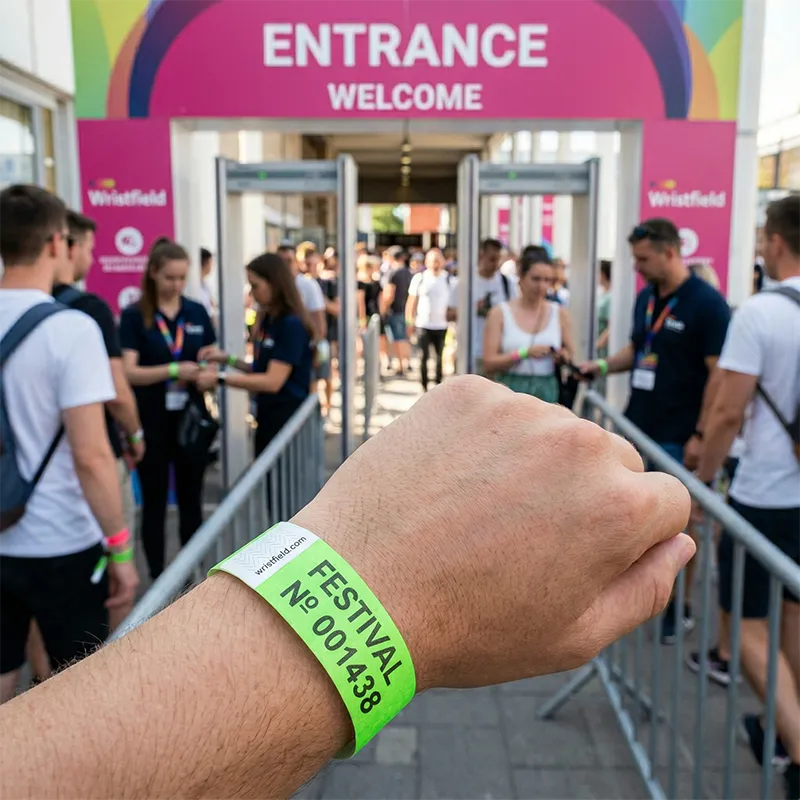
Wristbands remain the simplest, most scalable tool for mass entry and zonal access when combined with good process design. This guide walks organisers through the decisions that matter: choosing wristband types, establishing zone rules, layering anti-counterfeit measures including UV varnish and serialisation, staffing and throughput planning, and the operational checks that reduce incidents while preserving the guest experience.
Building an Event Entry System from Scratch: A Complete Beginner
19
Jul
This practical, step by step guide shows how to design an effective event entry system from the ground up. It covers goal setting, product selection, quantity planning, gate layout, access levels, communications, staffing and post event checks, with worked examples for typical events.
Ticket value and abuse risk: when to use serialisation, UV varnish, stronger materials and multiple access levels
16
Jul
Ticket price alone does not determine the entry control you need. Good decisions weigh ticket value, event type, likely motivation to abuse the system and the operational constraints at the gates. This practical guide explains when basic Tyvek is enough, when numbered wristbands or UV varnish are justified, when to choose more durable materials and when to add distinct access levels.
How to Balance Cost and Risk When Choosing Wristbands: A Decision Model for Event Organisers
13
Jul
A wristband is both an operational item and a layer of security. Choosing between a basic, low-cost wristband and a costlier, harder-to-counterfeit option should be a numerical, risk-informed choice. This article sets out a practical decision model with risk multipliers, worked examples in GBP and an organiser's decision matrix to help you decide when it pays to invest in higher security.
Wristbands as a Marketing Asset: How to Design, Choose and Maximise Impact at Your Events
10
Jul
A wristband is more than a ticket. When treated as a visible, wearable communication surface it supports brand recall, sponsor exposure, photogenic content and post-event engagement. This guide explains how to select materials and printing, integrate sponsors, balance security with aesthetics, measure impact and implement wristbands as part of a coherent event marketing strategy.
Event entry checklist: a practical day-by-day guide for organisers
07
Jul
Good entry management balances speed, security and guest experience. This detailed, practical guide breaks the work down into what you should complete 14-7 days, 7-3 days, 3-1 days and in the last 24 hours before an event. It covers wristband choice, reserves, printing and numbering, UV varnish checks, gate and zone planning, staffing and the final operational tests that prevent last-minute chaos.
The Psychology of High-Volume Entry: From Queues to Fewer Mistakes
04
Jul
Managing the arrival of hundreds or thousands of people is both a logistical and psychological challenge. How people perceive wait time, respond to visual cues and interact with staff directly affects throughput, conflict levels and the overall guest experience. This guide sets out practical, operational measures and decision logic organisers can apply to reduce delays, cut disputes and protect staff wellbeing.
Designing an Access Control Structure for Events: A Step-by-Step Operational Guide
01
Jul
A robust access control structure reduces queues, prevents unauthorised access and makes staff decisions straightforward. This guide walks you through a practical, step‑by‑step process to design and document access rights for any sized event: who does what, how zones and time windows interact, where to place checkpoints, which marking combinations work in practice and exactly how to brief your entry teams.
Designing VIP, Backstage and Press Access with Wristbands: A Practical Guide for UK Event Organisers
28
June
Wristbands remain the most cost-effective and practical way to separate public, VIP, crew and press areas at medium and large events. Doing it well requires clear zoning, consistent visual language, deliberate material choices and operational rules that prevent abuse. This guide gives UK event organisers an operational blueprint: how to design access levels, make them visually obvious at point of entry, reduce fraud risk with UV varnish and serialisation, and staff entry points so the system works under pressure.
Designing Wristband and Access Systems for Multi-day Events: Practical Guide for Organisers
25
June
A multi-day festival or conference needs an access system that is fast, robust and auditable. This guide walks through the decisions you must make from the first planning meeting to the final exit, with practical workflows for day-based colour coding, multi-day passes, replacement and damage handling, anti-counterfeit measures including UV varnish and serialisation, plus staffing and guest experience considerations.
Optimising Entry for One-Day Events: Quick Decision Criteria for Wristbands and Gate Throughput
22
June
Planning entry for a one-day event is often done under time pressure and a tight budget. Deciding how many wristbands to order, whether to use serial numbers or UV varnish, how many gates and staff you need, and whether express production is worth the premium are all choices that affect guest experience and your bottom line. This article gives a pragmatic decision framework for organisers and operations teams, with practical calculations and conditional cost modelling to support rapid, confident choices.
Common Entry Mistakes Event Organisers Make — Practical Fixes for Smooth Admissions
19
June
Admission is the guest's first physical experience of your event. Poorly planned entry creates long queues, security and legal risk, and unhappy attendees. This guide walks through the recurring operational mistakes organisers make at entry, why they happen, and practical fixes you can implement straight away to reduce risk and improve throughput.
Multi-day festival entry systems: a practical guide to wristbands, access control and fraud prevention
16
June
Running a successful multi-day festival depends as much on entry systems as it does on programming. A well-considered wristband and access-control strategy reduces fraud, speeds entry and makes life easier for staff and guests. This guide takes you from planning decisions through day-to-day operations to post-event audit, with practical calculations and operational rules you can apply to UK events.
Corporate event entry model: guest types, access levels, VIP zones and discreet wristband strategy
13
June
A well designed entry model keeps a corporate event secure, professional and friction free. This guide explains how to classify guests, allocate access rights, design VIP and speaker flows, and choose discreet, effective wristband solutions. It covers operational planning, anti-counterfeit measures including UV varnish, staffing maths and on-the-day protocols so organisers can make confident, practical choices.
The Marketing Value of Fabric Wristbands: Turning Entry Tags into Wearable Brand Assets
10
June
A fabric wristband is far more than an admission token. When designed and utilised with intent it can become a wearable keepsake, a measurable sponsorship asset and a practical part of your event security. This guide explains the commercial logic, operational trade-offs and practical decision steps organisers and marketers need to turn wristbands into genuine brand value.
Event security risk tiers: entry control, access rights and anti-counterfeit practices
07
June
Effective entry control starts with recognising the event's risk profile and treating wristbands as one element of a controlled system. This guide explains three practical risk tiers, the wristband and marking options that suit each, where abuses occur, and how to budget and staff for controlled arrival windows using real UK price references.
3000-person concert cost model: wristbands, entry design and staffing
04
June
This practical guide sets out a decision-focused cost model for a 3,000-attendee concert. It covers entry point design and throughput, the trade-offs between Tyvek, vinyl and textile wristbands, how to apply UV varnish and serialisation as anti-counterfeiting measures, recommended reserve quantities and a worked charging example in GBP based on live product references where available.
UV varnish for wristbands: a practical guide for entry control, VIP access and cost-risk modelling
01
June
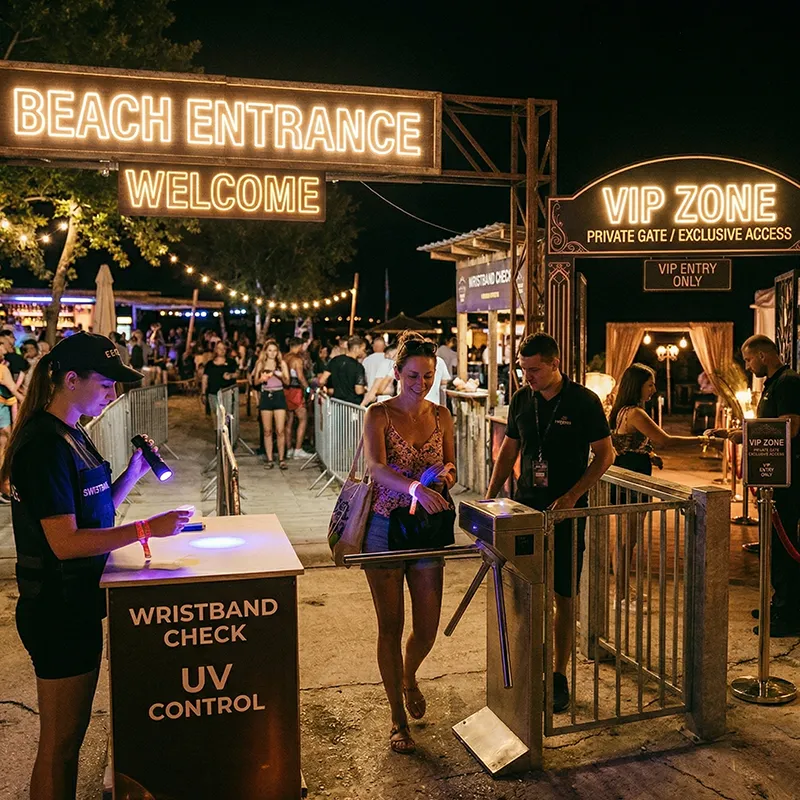
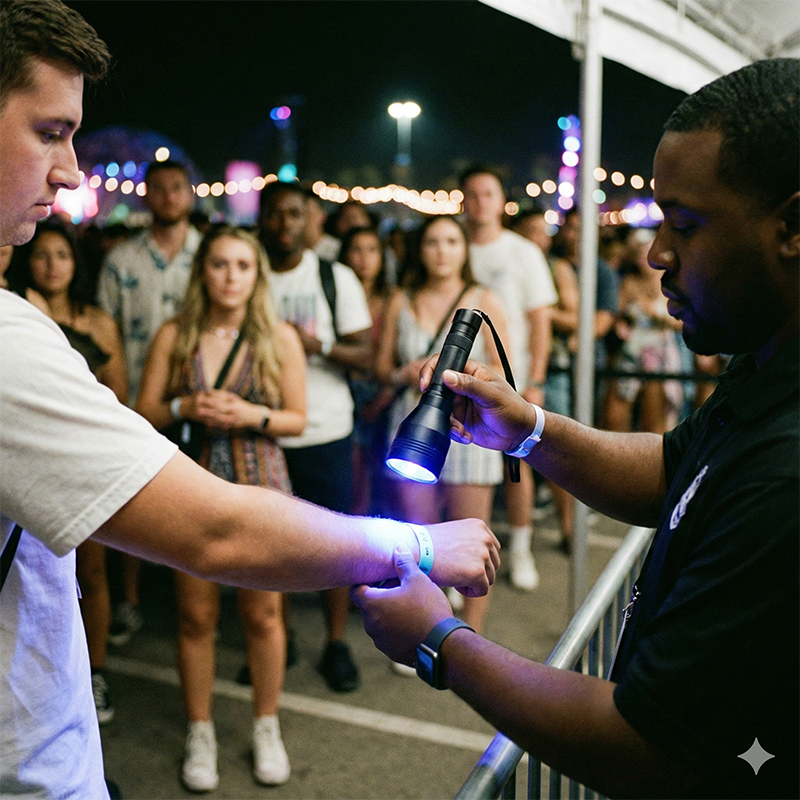
UV varnish on wristbands refers to a lacquer applied to the band that fluoresces only under ultraviolet light. That hidden layer is a fast, low-visibility security control that supports entry throughput, VIP and backstage checks, and anti-counterfeit measures. This guide explains the technique, compares it with UV printing, sets out operational requirements and shows how to model costs and risk in practical, testable terms.
Light Up Your Event on a Budget: Practical Guide to Glow Wristbands and Light Effects
22
May

A little light can transform a venue. Glow wristbands and light sticks are among the simplest, most affordable accessories to lift atmosphere, improve crowd management and create memorable moments. This guide gives event organisers practical, safe and budget-aware ways to use glow items across festivals, clubs, corporate parties and community events.
Two-step extra security with wristbands: combine visible marking and UV verification
22
May
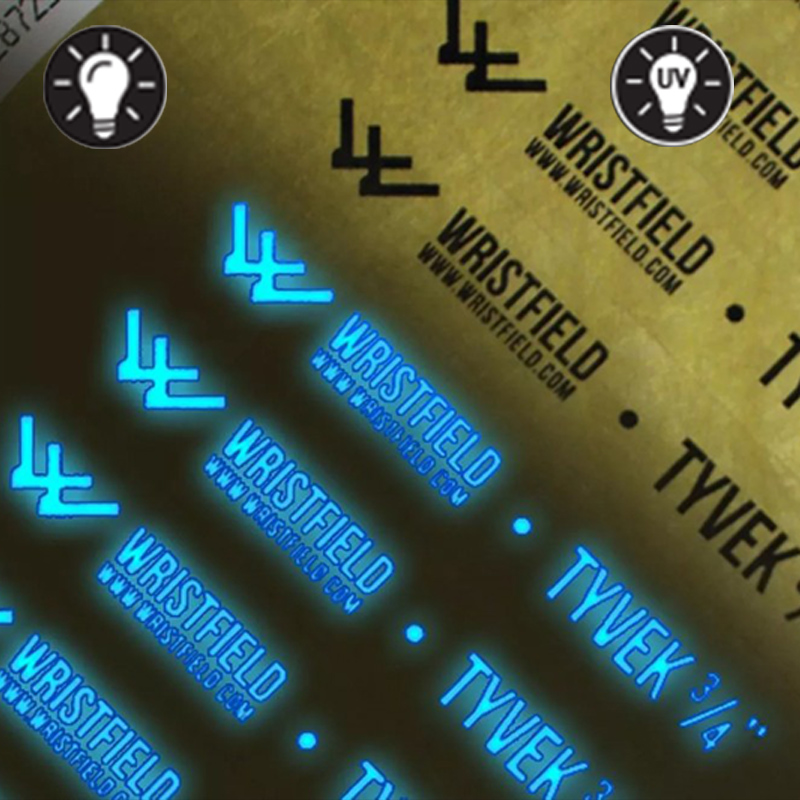
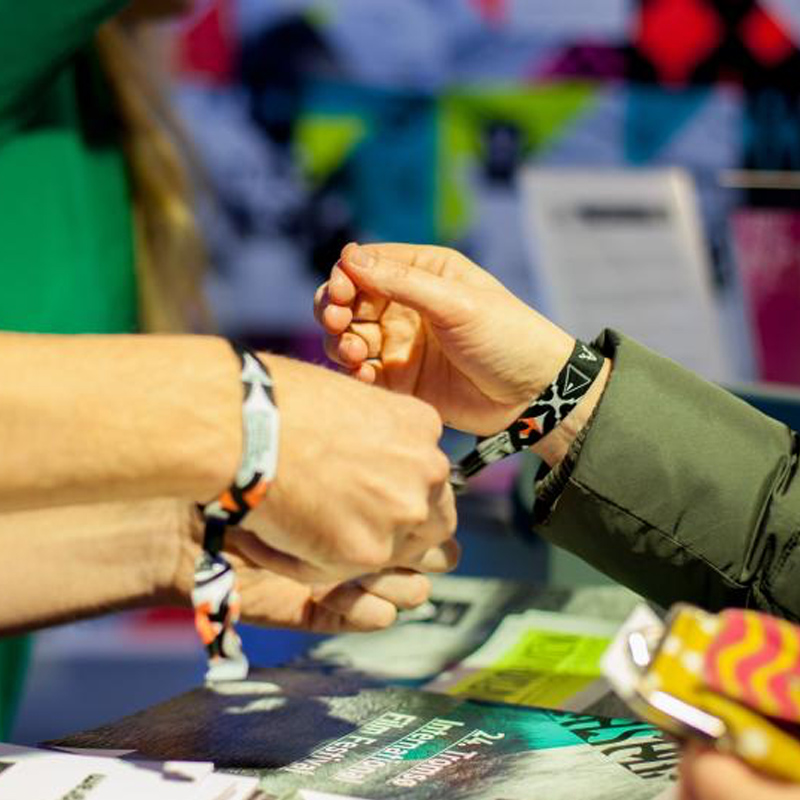
If you want to raise the bar on access control at your events, a two-step wristband security system is a pragmatic, low-cost and operationally simple option. Pair a conventional visible identifier with a UV-visible varnish mark and you get fast, on-the-spot verification plus an extra layer of fraud resistance that is invisible to attendees during normal use. This article explains how the approach works, when it is worth using, how to operate it at scale and how to combine it with other practical measures for robust entry control.
What Is a Wristband For? Practical Uses, Security and How to Choose the Right Type for Your Event
22
May
Wristbands are among the simplest and most effective tools an event organiser can use. They do far more than show who paid. From entry control and zone management to anti-counterfeit checks and brand promotion, a wristband is a practical, visible and cost-effective part of a modern entry system. This article explains what wristbands are for, how to choose the right type and how to use them to reduce risk, speed up entry and increase marketing value.
Why Wristbands Are More Than Just Wristbands
22
May
Wristbands are rarely just a functional token any more. For promoters, venues and event teams they are a compact, low-cost tool that can handle identification, branding, security and even post-event measurement. In this article we explain how to treat wristbands strategically so they become part of your event experience rather than merely a gate control device.
Wristbands That Make Every Surface Work for You
22
May

Have you ever handed out wristbands that carried nothing but a single logo? You are not alone. But a wristband is more than a token of admission. In this article we explore how every surface of a wristband can be turned into a measurable, practical asset for your event: branding, promotions, access control and anti-counterfeit measures, all while keeping entry efficient. Read on for design guidance, operational tips and real-world use cases for UK events.

How to Use Lanyards Effectively as a Marketing Tool
22
May

Lanyards are more than a ways to hang an ID card. Used thoughtfully, they act as daily wearable advertising, an on-site security tool and a touchpoint for customer engagement. This guide explains how to design, specify and deploy lanyards so they reinforce your brand, support operations and deliver measurable marketing value.


Eco-friendly Lanyards and Wristbands: A Practical Guide for UK Event and Brand Managers
22
May
Sustainability is no longer optional for organisations that want to keep customers and partners onside. This practical guide explains how recycled polyester lanyards and wristbands made from R-PET work, what to ask suppliers, how to combine green materials with robust access control and anti-counterfeit measures, and how to present your environmental claims credibly to UK audiences.
Children
22
May
Children's wristbands are a simple, low-cost tool that can make a big difference to safety and peace of mind at schools, day camps, sports events and busy public places. This guide explains how to choose the right wristband type, how to apply them safely, how to handle privacy concerns and how to build simple operational routines that keep children identifiable and secure.
Why Choose Tyvek Wristbands? An Expert Guide for UK Event Organisers
22
May
Tyvek wristbands are one of the most widely used solutions for event entry control. Lightweight, water resistant and tear resistant, they behave like paper but perform far better in real conditions. For short term events such as concerts, club nights, festivals, pools and sports fixtures they combine low cost, simple application and reliable single-use security. This guide explains what Tyvek is good for, how to choose the right size and print, what security options are available, and how much you can expect to pay in practical, UK-focused examples.
Why Wristbands Are Essential for Access Control at Sports Events
22
May
A clean, secure and efficient entry system is vital for any sports event, from a local 5k to a multi-day tournament. Wristbands are far more than a token: they are a practical tool that speeds throughput, enforces access rights, reduces fraud and supports branding. This article gives sports organisers actionable, expert guidance on choosing and using wristbands to make entry smoother, safer and more professional.
How Numbered Wristbands Work at Events: Practical Guide for Organisers
22
May
At first glance a wristband is a simple identifier: a guest receives it at the entrance, fastens it on their wrist and it shows they are allowed to stay. For many events this is enough. When attendance grows, several entry points open, VIP zones exist, events run across multiple days, or post-event verification is needed, a plain wristband no longer provides enough control. That is when numbered wristbands come into their own.
How Numbered Wristbands Work and Their Business Benefits at Events
05
Apr
Many event organisers do not consider numbered wristbands until they experience a serious operational problem: lost revenue, ticket fraud, disputes over counts or uncontrolled guest flows. Often the remedy is not an expensive access control system but a well-designed numbered wristband programme. It is one of the simplest and most effective tools to make an event more transparent, secure and financially controllable.
Beach and Waterfront Event Access Control: Complete System, Costs and Common Pitfalls
03
Apr

Beach and waterfront events are deceptively hard to control. They look relaxed, but guests move in and out, swim, change clothing, and use multiple entrances. Wristbands and access control elements are exposed to sun, salt, chlorine and heavy handling. If you treat access control as a single-item purchase you will be disappointed. This guide explains how to design a system that works reliably for seaside events in the UK, how to model costs with example calculations, and which mistakes to avoid.

How to Cut Your Event Entry Time by 30%: A Practical Guide
06
Marc
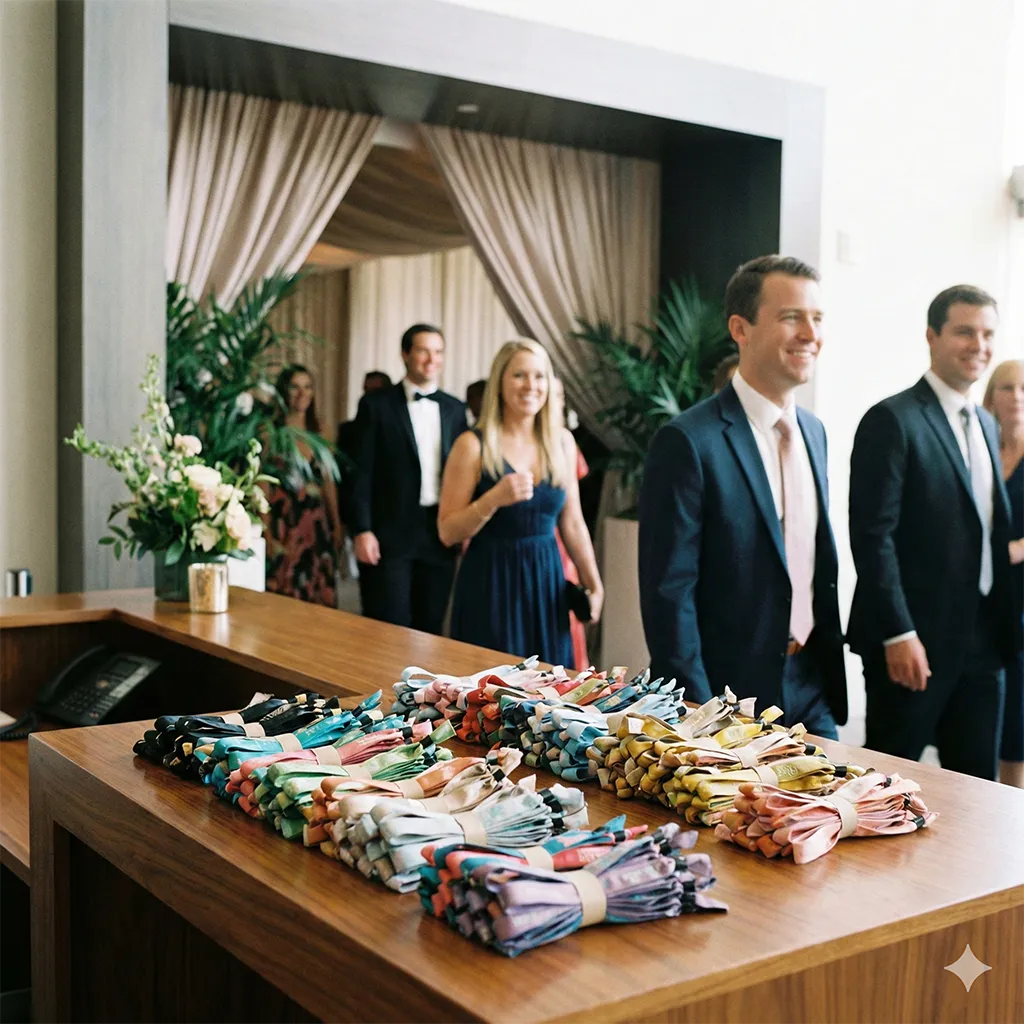
Entry is the first impression. For a 1,000-person event the first 45 minutes set the tone for the whole night. Long queues and confusion create frustration before the event even starts. The good news is that entry time is not fate. It is measurable, planable and optimisable. This guide offers concrete calculations and operational models that show how a realistic 30 percent reduction can be achieved.
Managing VIP Zones at Events: Access, Costs and Admission Control
04
Marc
A VIP zone is more than a fenced-off area. It is a strategic instrument: a revenue stream, a brand experience and a reputational asset. Poorly designed or managed VIP provision creates friction, undermines perceived value and damages future sales. Well designed, it raises the profile and profitability of the entire event. This guide explains how to design a VIP zone for UK events, choose wristband types, model costs and returns, control access effectively and avoid the most frequent organisational mistakes.
Full Entry Cost Breakdown for a 1,000-Person Event (UK)
02
Marc
Admitting 1,000 paying guests may sound straightforward: 1,000 tickets, 1,000 wristbands. In reality entry control is a combination of cost modelling, revenue protection and operational design. This article walks through a full cost model for a 1,000-person event and shows, with concrete example calculations based on a 5,000 unit production run, how wristband choice affects cost, brand perception and operational risk.
When Is Express Wristband Production Worth It?
27
Feb
Organising events means living with deadlines. Final attendee numbers often arrive only days before the event, or a sponsor might request a last minute logo change. Should you pay for express wristband production to solve that problem? Express options reduce lead time, usually for a surcharge. The decision is not only about price, it is about risk. This article explains when express production is a rational investment, when it is wasteful, and how to model the financial and reputational trade offs.
Preventing Wristband Counterfeiting: UV, Serialisation and Security Measures
25
Feb
Wristband counterfeiting is not an abstract threat but a real revenue and safety issue for events where entry is controlled. Proper material selection, serial numbering and discreet security features can significantly reduce fraud. This guide sets out the technical options, operational practices and cost reasoning that organisers need to make informed decisions for UK events.
How much does a custom wristband cost? A practical UK guide with worked examples
23
Feb

One of the most common questions event organisers ask is: how much does a custom wristband cost? The answer depends on the material you choose, print method, order quantity, whether there is a setup fee, and any security or finishing options you require. The unit cost for 1 000 items is very different from the cost for 100 items. In this article we walk through worked examples for a cloth wristband and a Tyvek 3/4 wristband, explain setup fees, give quantity modelling and offer a decision framework tailored to UK events.
Tyvek vs Vinyl: Detailed comparison - which wristband is best for your event?
20
Feb

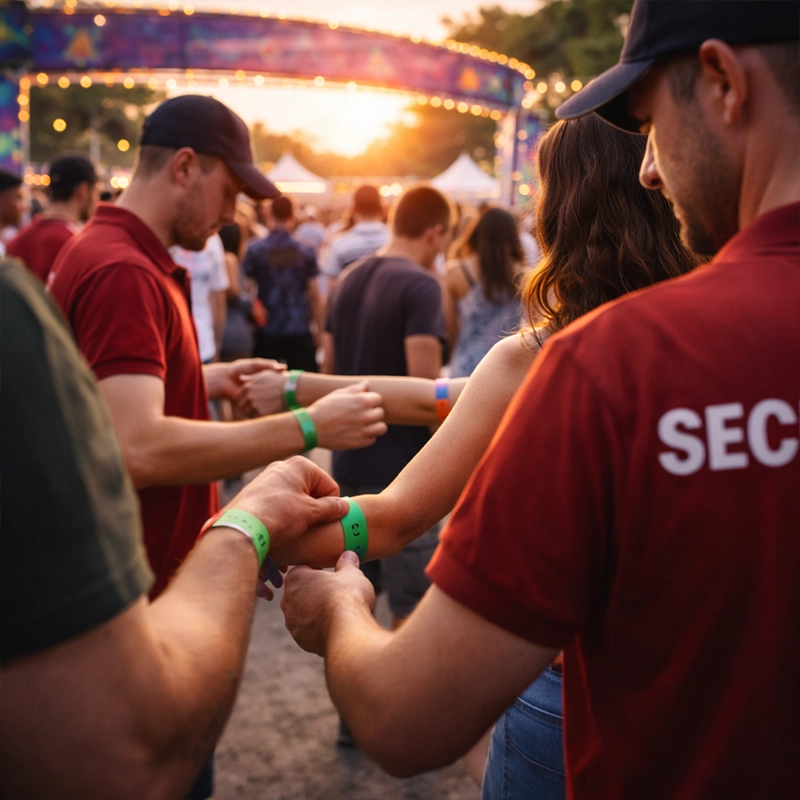
Choosing the right wristband material is a small decision that can have a big operational and financial impact on your event. The two most common options are Tyvek and vinyl. They may look similar to a visitor arriving at the door, yet their properties, costs and appropriate use cases differ markedly. This guide explains those differences in practical terms, provides example calculations and operational models adapted for UK events, and sets out a straightforward decision matrix to help you select the right wristband for the right occasion.
How many wristbands should I order for 500 attendees?
18
Feb

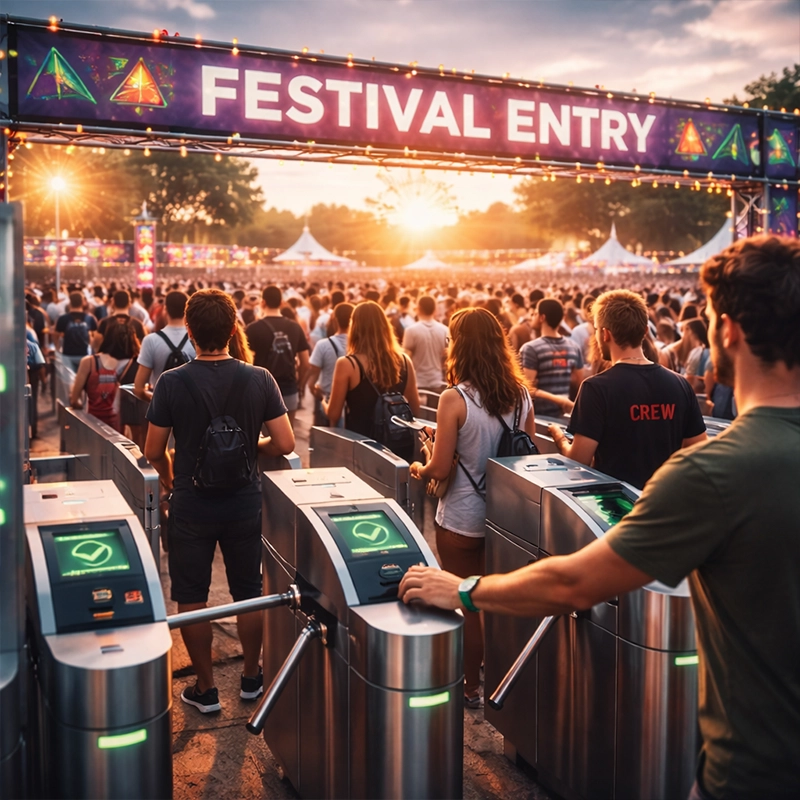
One of the most common questions we hear from event organisers sounds simple but regularly causes mistakes: how many wristbands should I order for 500 attendees? The short answer is rarely "exactly 500". Entrance management is not a pure arithmetic problem; it is an operational system. You need to allow for buffers, mistakes during application, damaged items, on-site ticket sales, staff and unexpected situations. This guide walks you through a detailed calculation for a 500-person event, shows a cost model, explains risk controls and helps you build a robust entrance system using common wristband types available from UK suppliers.
Complete Event Access Control Guide 2026: Wristbands, Security and Cost Modelling
15
Feb

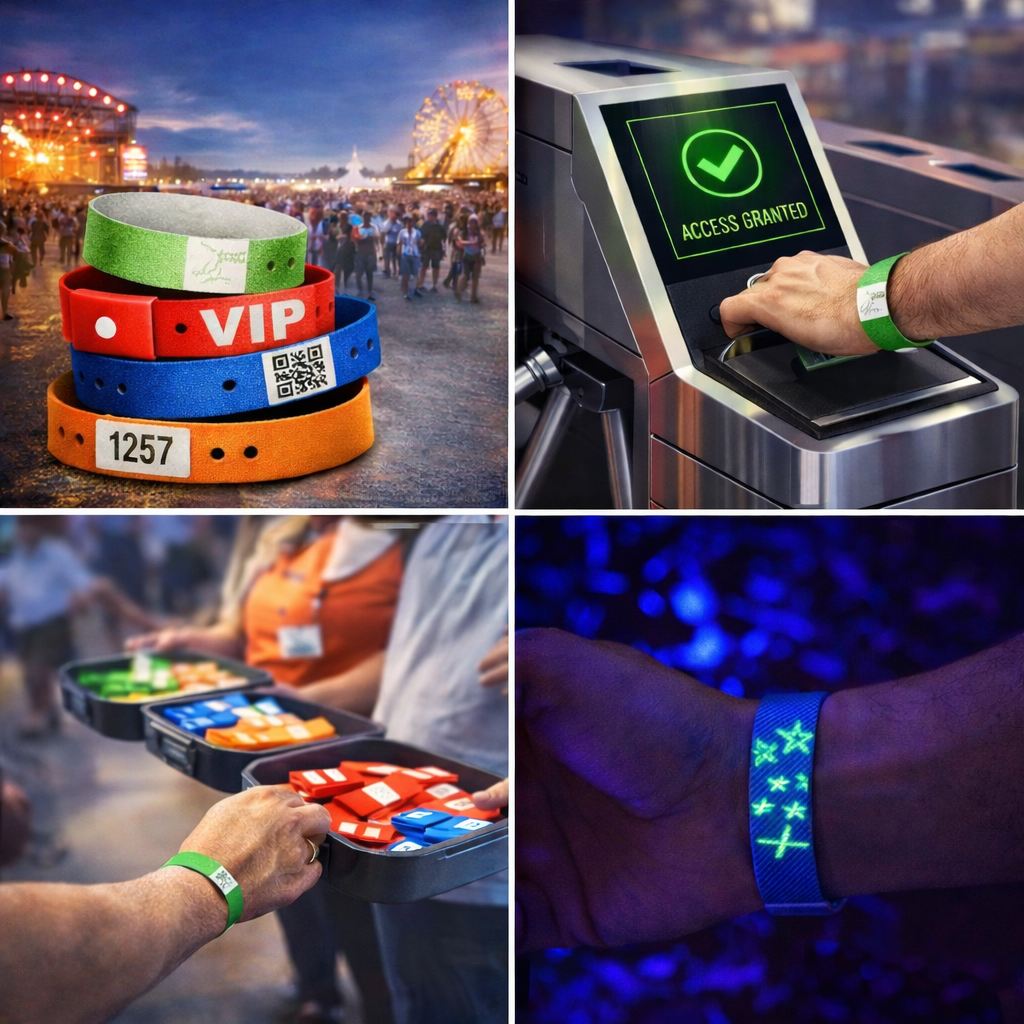
Entry management is one of the most critical moments in an event. Not the programme, not the performer and not only the venue, but the first contact at the gate shapes guest perception. Smooth, swift and well organised entry gives attendees confidence. Congestion, uncertainty or uncontrolled access undermines the entire event. In modern event planning entry is not a clerical task but a system. This guide explains how to build that system in 2026 for UK events, how to choose wristband types, model costs and reduce security risk.
What Is UV Printing on Wristbands: Durability and Distinctiveness for Events
13
Feb

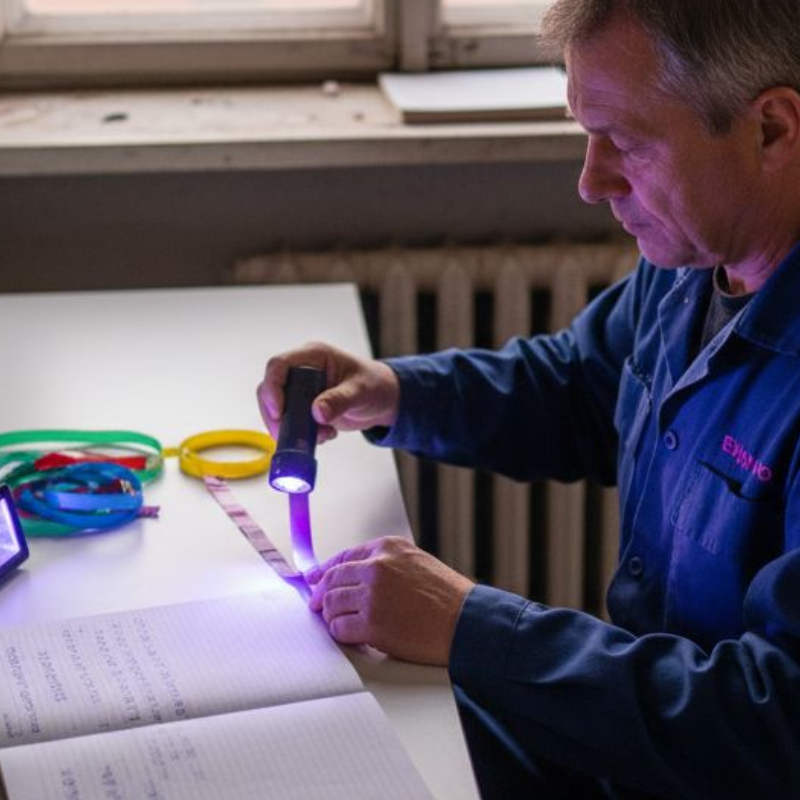
At busy music festivals, sporting events or corporate gatherings, identifying attendees quickly and reliably is essential. UV printing on wristbands offers an effective way to combine high security with creative branding. Special UV inks are water resistant, abrasion resistant and only fully revealed under ultraviolet light, making wristbands harder to counterfeit while supporting smooth access control and on-site operations.