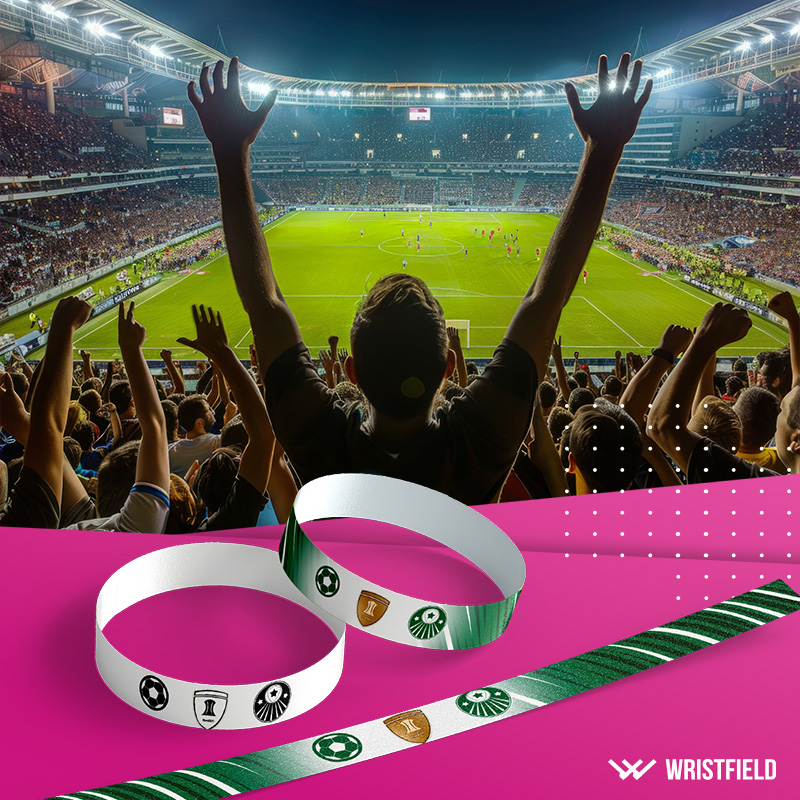
A clean, secure and efficient entry system is vital for any sports event, from a local 5k to a multi-day tournament. Wristbands are far more than a token: they are a practical tool that speeds throughput, enforces access rights, reduces fraud and supports branding. This article gives sports organisers actionable, expert guidance on choosing and using wristbands to make entry smoother, safer and more professional.
The role of wristbands in sports event entry
Wristbands solve several operational challenges at once. They provide an immediate visual cue for who has permission to be on-site, they allow organisers to differentiate access levels, and they can carry machine-readable or human-legible data for verification. For sports events, where participants and spectators often move between zones quickly and conditions can be wet, muddy or physical, the right wristband keeps entry fast and reliable.
Speed and throughput: reducing queues and frustration
One of the clearest benefits is speed. A wristband that is pre-applied, colour coded or easy to scan cuts decision time at the gate. For high-volume entry, even small gains per person compound: shaving a few seconds off each check reduces queues dramatically. Wristbands also let you separate ticket validation from physical access. For example, you can validate tickets at a single point and then apply a wristband at a secondary gate to keep flow moving.
If you want to explore entry-time optimisation in detail, our guide on how to cut entry times gives practical methods and models for throughput planning and wristband deployment (Cut Entry Times by 30 Percent).
Security and access control: who goes where
Sports events frequently have distinct zones: public viewing, competitors only, warm-up areas, media zones and hospitality. Wristbands make those distinctions visible at a glance. By using colour, printing and security features you can reliably indicate who should be where. For VIPs and accredited personnel, more secure wristband types and verification procedures reduce the chance that unauthorised people enter restricted areas.
For specific security frameworks and how to match wristband features to your event risk, see our practical framework on event security risk tiers and wristband controls (Event security risk tiers).
Materials and durability: choosing the right type for sport
Sporting environments demand wristbands that can withstand sweat, rain and abrasion. Typical options and their suitability:
Tyvek: inexpensive, tear-resistant paper-like material that is water resistant. Good for one-day events and environments where a secure, low-cost solution is needed.
Vinyl: waterproof and durable; suitable for multi-hour events and situations where attendees will be outdoors for extended periods.
Fabric: comfortable and robust; often used for multi-day events or spectator experiences where the wristband also acts as a souvenir. Fabric bands usually require a secure lock to prevent transfer.
Silicone: reusable and comfortable, best for staff or long-term access control but less common for single-day spectator control because they are easy to remove and reuse.
Medical/competition bands: soft and secure for athletes or participants who need non-constrictive, low-profile identification.
Select the material according to event duration, weather exposure and whether the band should be kept as a memento. Where comfort and longevity matter, fabric or soft vinyl usually wins. For short, high-volume events, Tyvek balances cost and function.
Security features that prevent fraud
Modern wristbands can incorporate multiple anti-fraud measures. Choosing the right combination reduces counterfeiting risk and speeds checks:
Serialisation and numbering: unique numbers printed on each band make post-event reconciliation and spot checks simple. Numbered wristbands are a low-cost, high-impact control; find out how they work in our guide (How Numbered Wristbands Work).
Barcodes and QR codes: scannable codes speed entry and tie the wristband to a ticket record. Make sure scanning software and connectivity plans are tested in advance.
UV varnish: a varnish or printed mark that is visible only under UV light. Important note: UV marking here means a varnish or print that becomes visible under a UV lamp, not a separate UV printing process. UV varnish is a discreet but effective security layer; read our practical guide for when and how to use it (UV varnish for wristbands).
Tamper-evident locks: one-time locks that visibly break when removed. These are essential where re-entry or transfer would undermine control.
Holograms and foil elements: visible security features that are difficult to reproduce cheaply, best used on higher-risk access bands.
Combining visible and covert features gives you layered protection. For practical anti-fraud operations and ROI thinking, see our guide on preventing wristband counterfeiting (Preventing Wristband Counterfeiting).
Operational best practice for sports events
Wristbands are only as effective as the processes behind them. Below are practical operational steps to get the most value:
Plan a two-step entry if needed: validate ticket or accreditation, then apply wristband at a separate station. This keeps validation staff focused and prevents bottlenecks at the main gate.
Use colour coding and printed roles: colours for competitors, officials, media and hospitality make checks fast. Print the role or zone on the band where practical.
Brief staff and volunteers: ensure every person on the gate knows what to look for, how to scan or UV-check, and the policy for lost, damaged or suspect bands.
Plan for re-entry and replacements: define a clear, secure replacement policy that balances guest experience with fraud control. For example, require proof of purchase and apply a new numbered wristband after invalidating the original in your records.
Test equipment: if you use barcode or QR scanning, test mobile devices and connectivity under real conditions. Offline scanning fallback is essential where connectivity may fail.
Reconciliation and post-event audit: collect counts, serial numbers and scans to reconcile attendance and identify anomalies.
Special considerations for athletes and competitors
Competitors have slightly different needs than spectators. Wristbands for athletes should be comfortable, sweat-proof and non-restrictive. Avoid tight locks that could impede movement. Medical or soft fabric bands work well for competitors and can still include serial numbers or QR codes for check-in and timekeeping.
If you operate timing systems or access to warm-up areas, ensure wristbands integrate with those systems or workflows so officials can verify entitlement quickly without distracting athletes.
VIPs, media and hospitality zones
Higher-value access requires stronger controls. Use a combination of visible identification (distinct colours, printed text) and covert features (UV varnish, serial numbers). For teams and VIPs, consider fabric wristbands with tamper-evident locks. If you operate multi-day hospitality, fabric bands that double as a keepsake are both practical and appreciated.
For guidance on managing VIP zones, including wristband strategy and costs, see our in-depth resource (Managing VIP Zones at Events).
Technology: barcodes, NFC and QR codes
Digital features expand what a wristband can do. Barcodes and QR codes link each band to a ticket record; NFC chips enable contactless verification. Choose the technology that matches your operational needs and budget. Barcodes and QR codes are cheap and widely supported; NFC adds convenience but requires compatible readers.
Remember privacy and data protection: if a wristband links to personal data, follow applicable data protection rules and inform attendees how their data will be used and stored.
Environmental and accessibility considerations
Sustainability and accessibility are increasingly important. Consider recyclable materials, or offer a low-cost biodegradable option for single-use spectator bands. For accessibility, ensure bands do not cause sensory issues and that staff can apply alternative identifiers for guests who cannot wear wristbands for medical or cultural reasons.
Common mistakes and how to avoid them
Organisers often make the same avoidable errors. Address these to keep operations smooth:
Under-planning staff training: assume every new wristband type will need a short briefing and practice run for staff.
Poor contingency planning: have spares for lost or damaged bands and an offline scanning plan.
Overlooking comfort and fit: a band that chafes or is too tight will cause complaints; test samples before ordering large quantities.
Not testing security features under real conditions: UV checks, barcode scans and tamper locks should be tested in the environment where they will be used.
Sizing your order and production timelines
Order quantities and lead times depend on material and customisation. Fabric wristbands with woven designs will take longer than simple Tyvek bands. If you need bands quickly, express production can be cost-effective for smaller runs; our guide helps decide when express is worth it (When Is Express Wristband Production Worth It?).
For budget planning at several scales, the 3,000-person model and the 1,000-person breakdown provide worked examples you can adapt to sporting contexts (3000-person concert cost model and Full entry cost breakdown for 1,000 persons).
A practical checklist for wristbands at sports events
1. Choose material based on duration and weather.
2. Decide security features: numbering, UV varnish, barcodes/QR or NFC.
3. Order samples and test for comfort, durability and readability.
4. Train staff on checks, scanning and replacement policies.
5. Prepare contingency for connectivity failure and spare stock for replacements.
6. Plan post-event reconciliation and a review of incidents.
Final thoughts
Wristbands are a small physical item with outsized operational value. When chosen and implemented thoughtfully they speed entry, protect restricted areas, deter fraud and enhance the attendee experience. Match material and security features to event duration, risk profile and budget, and make sure staff, technology and contingency plans are in place. If you need practical, event-specific help, our related resources cover security tiers, UV varnish use, numbered bands and cost models to help you plan with confidence.
If you are planning a sports event and want help selecting wristbands or testing an access-control layout, browse our resources or contact our team for tailored advice.
Operational playbooks and standard operating procedures
Well designed wristband SOPs turn a small piece of kit into a reliable, repeatable control point. Below are concise, ready-to-adapt scripts and process flows you can insert into your event operations manual. Use them as a baseline and customise to venue size, staffing levels and the technology you chose.
Gate entry SOP (for barcode or QR bands)
Staff role: Gate verifier. Equipment: handheld scanner or mobile with scanning app, spare bands and wristband sizing tool.
- Greet the attendee and check for visible ticket or pre-printed band. If scanning, hold device at a 45 degree angle to the code and prompt attendee to align code for a single quick scan.
- If scan is valid, show confirmation to the attendee and secure the wristband. Fit comfortably - there should be one finger space between band and wrist. Explain replacement policy briefly.
- If scan is invalid, ask for alternate proof of purchase. If none is available, escalate to supervisor for manual reconciliation and possible on-site reprovisioning.
- Record any refusals, duplicates or issues on the incident log and mark the ticket or band serial number as suspect in the central system.
Replacement and lost-band SOP
Staff role: Replacement desk operator. Equipment: verification tablet, camera for ID log, replacement bands, security marker for invalidated bands.
- Verify claimant identity against ticket record. Use photo ID when appropriate and practical for the event type.
- If the original band serial number is available and shows as active, invalidate that serial in the system before issuing a new band. Note reason in the incident log.
- Issue replacement with a clear warning about repeated replacements. For high-risk areas consider issuing a temporary pass and escort to supervisor for a secondary check.
- For multiple repeat claims, escalate to security manager for further investigation and potential banning.
Security incident response and escalation framework
Clear escalation criteria reduce delay and confusion during incidents. Keep these rules short and visible to supervisors at each access point.
Tier 1: Routine problem
Examples: unreadable barcode, minor fit issue, missing band. Action: local fix or replacement, log the event, resume normal operations.
Tier 2: Suspected fraud or counterfeit
Examples: multiple attempts with same serial, bands bearing poor print quality or incorrect security features, coordinated re-entry attempts. Action: secure area, retain suspect band if possible, alert security lead and ticketing provider, temporarily stop admission at affected gate if required to prevent further breaches.
Tier 3: Personal safety or medical emergency
Examples: aggression, injured attendee, severe illness. Action: call medical and security teams immediately, follow site medical protocol. Record band serial for later reconciliation if name or ticket details are relevant to incident handling.
Procurement checklist and supplier contract essentials
When procuring wristbands, treat the supplier relationship like any critical operations contract. These are the elements that should be non-negotiable in your purchase order or contract.
- Sample approval stage with physical sign-off. Insist on signed approval of colour, print clarity, locking mechanism and security features before production.
- Lead-time guarantees and penalty clauses for late delivery. State clear cut-off dates for production start and final delivery.
- Quality assurance clause including acceptable defect rate and remedial production runs at supplier cost for faulty batches.
- Data handling and confidentiality for any integration that involves attendee information. Confirm GDPR-compliant processes for vendors handling personal data.
- Liability and recall process for counterfeit or defective bands discovered during the event. Supplier should assist with rapid remediation where production faults are identified.
Cost modelling and budget levers
Small unit-cost differences can have large budgetary consequences at scale. Typical levers include material choice, security printing options and lead time. Here are illustrative approaches rather than prescriptive numbers.
Short events favour low-cost Tyvek or PVC bands combined with conspicuous visual barriers to reduce risk. Multi-day or high-value events justify fabric or woven bands with tamper-proof locks, because they reduce the frequency of fraudulent re-entry and increase comfort for attendees.
To control costs consider a hybrid strategy: issue low-cost spectacle bands for general admission and reserve higher-spec fabric bands for VIPs, staff and competitors. Also plan tiered ordering: an initial confirmed quantity plus a small contingency build to reduce wastage from over-ordering.
Integration with ticketing and venue systems
Integration is not binary. Plan practical data flows that match your operational reality.
For online ticketing platforms confirm these capabilities before specifying technology:
- API endpoints for issuing and invalidating wristband serial numbers.
- Batch upload and reconciliation tools for post-event auditing.
- Offline verification modes that cache entitlement data on handsets and reconcile when back online.
Where NFC is used, ensure readers are compatible and deployed at consistent vantage points. NFC is convenient for repeat doors and hospitality suites but requires careful planning for reader placement and power provisioning.
Accessibility and inclusion: pragmatic adaptations
Not everyone can wear a wristband. A proactive accessibility plan reduces friction at entry and demonstrates good duty of care.
Options that work in practice include:
- Alternative visible identifiers such as lanyards or ribbon badges for those with sensory sensitivities or medical reasons. These should carry the same serial or QR code as wristbands so systems remain consistent.
- Discreet markers for guests who prefer privacy. Use anonymised serials that link only to permission levels without exposing personal data at entrances.
- Staff training on non-contact verification for those unable to be handled physically. Use visual checks and confirmatory questioning minimised to protect dignity.
Sustainability and end-of-event handling
Plan the lifecycle of wristbands from sourcing to disposal. Small changes reduce environmental impact and often enhance brand perception.
Recommended practices:
- Choose recyclable or biodegradable materials for single-use spectator bands and provide clearly labelled disposal bins at exits.
- Offer an opt-in keepsake option for fabric bands for attendees who want a memento, and collect unused fabric bands for reuse where hygiene regulations permit.
- Work with your supplier to minimise single-use packaging and consolidate deliveries to reduce transport emissions.
Post-event metrics and continuous improvement
Collecting the right metrics allows you to refine future wristband strategy; make this part of your standard event debrief.
Core metrics to capture:
- Average minutes per entry and per gate during peak and off-peak periods. Use this to staff smarter next time.
- Number of replacements issued and common reasons for replacement. High replacement rates usually indicate fit or quality issues.
- Incidents linked to wristband fraud or security breaches, with serial numbers logged where possible.
- Waste volumes and percentage of bands recovered for recycling or reuse.
Use these results to update procurement specifications, revise staff training and adapt the quantity mix for future events.
Quick template: wristband specification sheet
| Item |
Specification |
| Material |
Choose one: Tyvek for single-day, Woven fabric for multi-day/VIP, Silicone for athletes |
| Security features |
Visible: colour and printed text. Covert: UV varnish and unique serial numbering. Optional: QR/barcode or NFC |
| Lock type |
Tamper-evident clip for fabric, adhesive lock for Tyvek, snap lock for silicone |
| Lead time |
Samples: 7 to 10 days. Production: 10 to 21 days depending on customisation and quantity |
| Minimum order |
Specify supplier MOQ and contingency percentage for replacements |
| Packaging |
Bulk boxed, labelled by colour and serial ranges for quick distribution |
Final notes
Wristbands are a small but strategic component of event control. The operational details matter more than the specific brand or colour. Invest time in your SOPs, supplier agreements and post-event measurement and you will see fewer gate delays, less fraud and a smoother experience for attendees and staff alike.