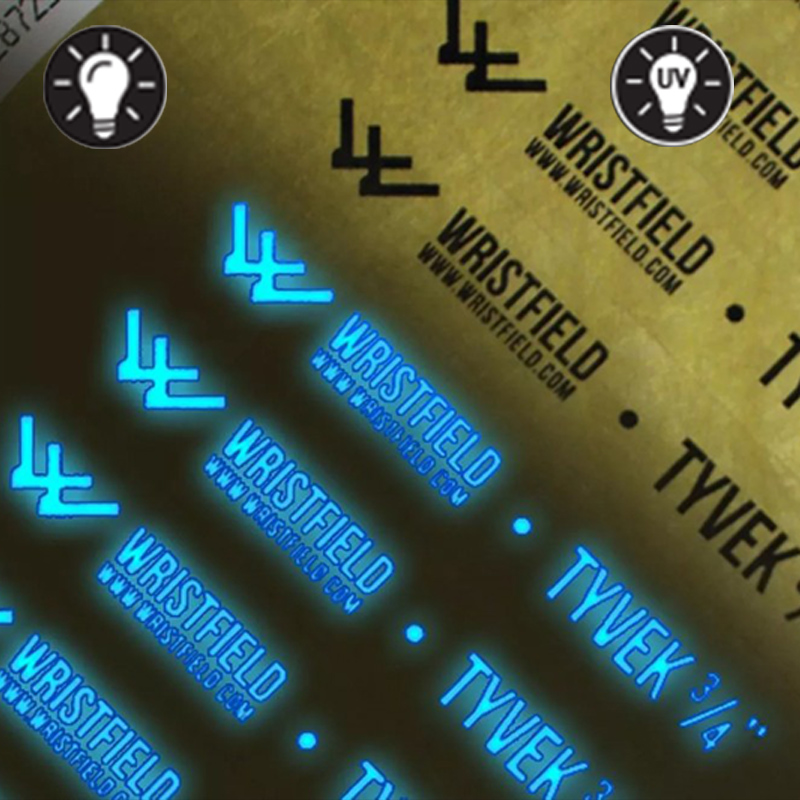
If you want to raise the bar on access control at your events, a two-step wristband security system is a pragmatic, low-cost and operationally simple option. Pair a conventional visible identifier with a UV-visible varnish mark and you get fast, on-the-spot verification plus an extra layer of fraud resistance that is invisible to attendees during normal use. This article explains how the approach works, when it is worth using, how to operate it at scale and how to combine it with other practical measures for robust entry control.
Why a two-step wristband system matters
Wristbands are a simple physical control used to show paid entry, age verification, access level or guest status. A single visible mark can be copied or forged, especially for multi-day festivals or highly desirable VIP passes. Adding a second, covert marker that is only visible under UV light makes casual copying far harder and gives front-of-house staff a quick verification method that does not slow throughput.
What the two steps are
The system combines:
- Step 1: a conventional visible identity on the wristband. This can be printed text, full colour artwork, serial numbers, barcodes or a distinctive design used at the entry point.
- Step 2: a UV-visible varnish or ink mark that is invisible under normal light but fluoresces under a simple handheld UV torch. This is not UV printing but a varnish or ink that reacts to UV light.
Together they create an easy-to-check, hard-to-duplicate control. The visible mark is for everyday recognition. The UV mark is the quick authenticity check.
Which wristband types work best
Not every wristband material behaves the same under UV varnish or in operational conditions. Choose based on your security need, duration, and comfort for attendees. Typical options:
| Type |
Pros |
Notes on UV use |
| Tyvek paper |
Very cost effective, single-use, lightweight |
Holds UV varnish well. Best for single-day events or controlled re-entry with checks. |
| PVC / vinyl |
Durable, water resistant, multi-day |
UV varnish adheres reliably. For long events, choose a varnish formulation rated for abrasion. |
| Woven fabric |
High perceived value, reusable fastenings available |
UV marking can be applied to a coated surface or label. Test for wash resistance if needed. |
| Medical/ID bands |
Tamper-evident, good for sensitive access |
UV varnish works but check for medical-safe formulations on contact surfaces. |
Note: silicone wristbands and resealable plastic bands can be re-used or transferred and so are not suitable where strict non-transferability is required.
How to design the two-step security mark
The aim is to keep operational checks fast while making copying difficult. Practical design choices include:
- Visible element: clear logo or text, plus a human-readable serial number or barcode for reconciliation.
- UV element: a small discrete logo, microtext or pattern only visible under UV. Vary the design between production batches where possible.
- Distribution of marks: use the visible mark as the primary verification and reserve the UV check for spot checks, VIP entries, or re-entry lanes where fraud risk is higher.
- Serialisation: combine visible serial numbers with UV marks to make cloning both visually and covertly more difficult.
If you need deeper guidance on serialisation or numbered wristbands, see our guides on how numbered wristbands work and preventing wristband counterfeiting.
Operational model: how to use UV checks at the gate
A well designed operational flow keeps entry fast while preserving security. Typical approaches:
- Primary lane: visual check only, staff confirm visible mark and serial number where required.
- Verification lane: a subset of entrants are subject to UV checks. This can be random sampling, staff-selected based on risk indicators, or targeted for younger-looking entrants or known VIP zones.
- Re-entry: always perform a UV check for wristbands presented for free re-entry, or at controlled VIP enclosures.
A handheld UV torch lets staff verify a UV varnish in seconds. If you do not have torches, suppliers can provide them. See our practical UV guide for notes on torch types and operational requirements at UV varnish for wristbands.
Training and staffing considerations
Any security layer is only as good as the people operating it. Key points for training and staffing:
- Keep checks simple. Staff should be able to confirm visible mark and perform a UV check in under 5 seconds when needed.
- Train on tamper evidence. Staff must recognise signs of band tampering, like stretched material, re-sealed closures or mismatched fasteners.
- Use role-specific scripts. Entry staff, verification staff and supervisors should each have a short checklist to follow.
- Plan peak staffing. Add verification staff to re-entry lanes and VIP access at peak times. If you need help modelling staff numbers, see our entry time reduction guide at How to cut your event entry time by 30 percent.
Practical checks and escalation
Set clear escalation rules for when a wristband fails the UV check:
- If UV and visible marks match, allow entry.
- If the visible mark looks correct but the UV mark is missing or different, move the attendee to a secondary check area. Request ID and cross-check against ticketing records.
- If a wristband shows tamper evidence or a mismatched serial number, deny entry and log the incident for post-event review.
- Maintain a clear incident log and take photographs where practical for forensic follow-up.
These rules mean you do not need to UV-check everyone, but you can reliably catch fraud without creating long queues.
When the two-step system is most valuable
Consider two-step UV verification for:
- Multi-day festivals where transferred or cloned bands can be reused across days.
- Highly exclusive VIP areas and backstage access where unauthorised entry has high consequence.
- Events with expensive limited tickets where fraud risk and resale value are high.
- Venues with re-entry policies that rely on wristbands for admission control.
For smaller events or where staff will physically inspect guest lists at every point, the extra cost may not be necessary. If you are unsure, our risk classification guide can help you decide: Event security risk tiers.
Designing for attendee experience
Security should not look like suspicion. You can make UV varnish part of the experience:
- Create aesthetic effects where the band fluoresces under UV for certain zones to enhance atmosphere.
- Use selective UV marks to run competitions or loyalty promotions, for instance by applying UV marks to a small set of bands and revealing winners with a UV torch.
- Communicate clearly at entry points that UV checks are part of access control to avoid confusion.
This approach turns a security measure into a brand touchpoint rather than an intrusive check.
Supply, production and quality control
When you order UV-varnished wristbands you should check these supplier capabilities:
- Proofing: request samples of both visible and UV marks on your chosen material.
- Batch variation: change the UV design or position between production batches to reduce cloning risk.
- Adhesion and abrasion testing: ask for a report or carry out a small wear test simulating expected use.
- Lead times: UV varnish stages may add to production time. If time is tight, check express options and their feasibility for your quantities. For decision guidance see When is express wristband production worth it.
If you also require serialisation, barcodes or numbering, integrate that into the visible layer and link it to your box office or access control system for reconciliation. For a deeper look at costs and how they scale, see our guide on how much a custom wristband costs.
Costs and return on investment
UV varnish adds a modest cost to production but yields high marginal security benefit. The right calculation compares the incremental cost to the potential loss from unauthorised admission, concession fraud and reputational harm. UV varnish is attractive because it:
- Does not require complex hardware beyond a handheld UV torch.
- Is quick to verify and so has minimal operational cost in terms of throughput delays.
- Can be targeted to vulnerable batches or VIP bands rather than applied universally if budget constrained.
For worked cost models tailored to specific event sizes, see our event cost guides including a 3,000-person concert model and other entry cost breakdowns at 3000-person concert cost model and 1,000-person event entry cost breakdown.
Case study scenarios
Two short, practical scenarios to show how the system works in practice:
Scenario A: Multi-day festival. You apply a visible design and batch-specific UV marks for each day. Re-entry lanes use random UV checks and all re-entry wristbands are subject to UV verification. The result is a dramatic reduction in multi-day band cloning.
Scenario B: VIP and backstage control. VIP bands include a visible VIP logo plus a UV microtext. Staff at the backstage door perform a UV check on every wristband presented. Only staff with dedicated torches can validate access. The covert element prevents casual transfer of VIP bands.
Common pitfalls and how to avoid them
Avoid these mistakes when implementing a two-step system:
- Applying UV marks to materials that do not hold varnish well. Always test before full production.
- Expecting UV checks to replace good operational practice. They are an additional layer, not a replacement for trained staff and clear policies.
- Checking everyone with UV and slowing queues. Use spot checks, re-entry checks and targeted verification.
- Failing to rotate UV designs between batches. Consistent designs are easier to copy.
Next steps and practical checklist
If you want to adopt a two-step wristband security system, follow this practical checklist:
- Decide which wristband material matches your event needs and lifetime.
- Design visible artwork and a UV-only mark. Consider varying UV marks between batches.
- Order samples and run wear and adhesion tests.
- Buy or source handheld UV torches and test ergonomics for staff use.
- Create a short training script and escalation protocol for entry staff.
- Define where UV checks will be used: random sampling, re-entry or fixed verification lanes.
- Review supplier lead times and production options, including express runs if necessary.
If you would like supplier recommendations or a tailored production and staffing plan for your event, see our related guides on preventing wristband counterfeiting and managing VIP zones.
Summary: a small addition, big impact
Adding a UV-visible varnish as a covert second mark to conventionally printed wristbands is an efficient, low-friction way to raise event security. It preserves guest experience, keeps entry times low and gives organisers an effective way to deter and detect fraud. For many mid-size and larger events, it is one of the most cost-effective security upgrades you can make.
Practical staff training and verification workflow
Technical measures only work when the people operating them understand both what to look for and how to keep queues moving. Run short, focused training sessions rather than long theory lectures. Each entry point team should rehearse a simple verification sequence until it feels routine: a visible glance to confirm the band design and fit, a UV check on a portion of bands according to your sampling plan, and a rapid escalation step if anything looks inconsistent.
Keep the language for staff simple and actionable. For example, instruct them to ask for the ticket first, then check the visible design, then sweep the UV torch across the designated area of the band for two seconds. If the UV mark is absent or differs from the sample, staff should politely refuse entry and call a supervisor. Supervisors review the band under a stronger lamp, check serial numbers if present, and consult the reconciliation list from the box office. Role play a handful of typical scenarios so staff are confident when dealing with transfers, wet or damaged bands, and guests who are upset.
Customer communication and guest experience
Security measures should be minimally intrusive and clearly explained. Use signage at gates and reminders in pre-event communications to say that some wristbands will be checked under a UV light. Avoid technical jargon. Phrases such as The wristband has a hidden security mark that we will check at re-entry are sufficient. Staff should announce that checks are routine, quick and part of keeping the event safe.
Consider a visible sample board near entrances that shows both the standard visible design and the area where the UV varnish appears when illuminated. Seeing the sample removes uncertainty and reduces disputes. Make sure staff are trained to handle customers who object, offering to call a supervisor and explaining the escalation process in calm language.
Accessibility and health considerations
Confirm that UV checks do not conflict with guests medical conditions. A small number of people have photosensitivity or are on medication that increases sensitivity to light. Make a clear alternative available, such as a short document check against the ticket, a barcode scan, or a secondary visible band for affected guests. Communicate the alternative options at ticket purchase and on the event website so visitors can plan ahead.
UV torches used at entry points are low-power devices intended for short inspections and are safe for most people. Nonetheless, instruct staff never to shine a UV torch directly into someone s eyes and to keep checks brief. Provide a privacy-minded environment for checks where possible, for example by positioning inspection points away from flash photography areas.
Legal, ticketing and data protection notes
If wristband serial numbers or barcodes are linked to ticket buyer information, treat any records of checks as potentially personal data. Limit logging to what you actually need, for instance time-stamped notes of incidents where a band failed verification. Avoid routinely recording names or ticket details unless required for an incident investigation. Retain logs only for a short, defined period and document that retention period in your data protection policy.
Make sure any terms and conditions or entry policies linked to ticket sales mention that security checks, including UV verification, are part of access control. This reduces disputes and supports swift operational handling of exceptions.
Procurement and supplier due diligence
When evaluating suppliers ask for comprehensive samples that include both visible printing and the final UV varnish on the exact material you plan to use. Confirm that the supplier has carried out adhesion and abrasion testing and request test reports where possible. Ask for examples or references from events of a similar scale, and verify lead times that account for any additional varnish curing stages.
Discuss batch variation strategies with suppliers. The ability to change the UV mark between runs reduces copy risk. If you require sequential numbering, barcodes or integration with ticketing, check that these features can be reliably aligned with the UV mark during production. Finally, clarify warranties for print alignment and coverage, and agree an inspection protocol for incoming batches so you can reject stock that does not meet the agreed standard.
Sustainability and end of life
Wristband choice has environmental implications. Many events are moving towards materials that are easier to recycle or that use biodegradable cores. UV varnish is compatible with some environmentally friendly substrates, but you should confirm this with your supplier. Arrange collection points for used bands and publish guidance for attendees about disposal; separate bins for contaminated waste may be required depending on your waste policy.
Where single use is unavoidable, consider offsetting the environmental impact through a vendor that uses recycled plastics or by donating part of a ticket fee to an environmental cause. Some suppliers can offer take-back schemes for certain materials, which reduces landfill contribution while keeping your security standard intact.
Troubleshooting and common issues
If a UV mark is not visible when expected, follow a short troubleshooting routine. First, check the torch battery and beam output. Second, wipe the band clean of dust, moisture or sunscreen, as these can mask the varnish. Third, compare the band to an authorised sample under the same light conditions. If the problem persists, escalate to a supervisor who can perform a secondary check, inspect the batch and log the anomaly for supplier follow up.
Clusters of failures often point to a production or storage problem. Keep a small sample archive from each production batch for comparative testing on site. If you identify repeated issues, do not accept further stock from that batch until you have confirmation from the supplier that corrective action has been taken.
Measuring effectiveness and continuous improvement
Set a small number of clear metrics to judge whether the two step system is delivering value. Useful measures include the number of failed verifications per event, the rate of detected unauthorised entries, average entry time per guest, and the number of disputed checks that required supervisor intervention. Review these figures after each event and adjust sampling rates, staff allocation or UV designs accordingly.
Run periodic spot audits to ensure staff maintain verification standards and to catch any degradation in lamp performance or staff compliance. Use the findings to refresh training and to refine the placement or design of UV marks in future production runs.
Short standard operating procedure snippet
Keep a one page SOP at each gate. An example sequence: greet the guest, check the visible design and fit, illuminate the designated UV area for two seconds, accept or escalate depending on the result. Supervisors use a stronger lamp and compare the band to the sample archive. If the band fails verification, collect the band, document the incident, and involve box office reconciliation where numbers are present. This compact workflow keeps decisions fast and consistent across different entry points.